Mesquite, TX · Dallas County
Whole-Building Fire & Smoke Odor Removal in Mesquite, TXFire Damaged Material Removal & Ozone Treatment For Smoke Odor
Whole-Building Fire & Smoke Odor Removal in Mesquite pairs whole-house air scrubbing, HVAC duct smoke cleaning, and fire damaged material removal.
Answered 24/7
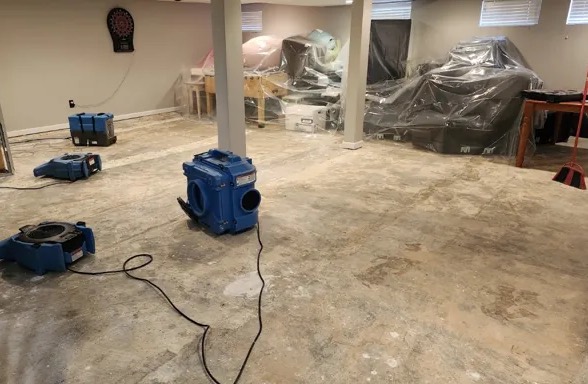
Total Building Deodorization in Mesquite, TX
After a fire, smoke odor soaks into drywall, wood, fabric, and the air itself. Whole-building deodorization specialists use fogging and ozone to break down odor at its source instead of covering it.
Homes in Mesquite and nearby areas like Balch Springs, Forney and Heath share building styles that affect how smoke spreads through attics and walls. The experts fog and ozone-treat the materials found in these homes.
Detailed Whole-Building Fire & Smoke Odor Removal Procedures for Mesquite
Fire Damaged Material Removal
Removing porous burned items lowers the odor load, which makes later cleaning and sealing work much better.
Ozone Treatment for Smoke Odor
The experts in Mesquite treat empty, closed spaces with ozone, which reaches every corner and breaks down acrid smoke odor.
Whole-House Air Scrubbing
HEPA and carbon filters in industrial air scrubbers capture fine soot and odor particles from every room before they settle on curtains and upholstery.
Thermal Fogging Deodorization
The fog travels the same way smoke did, into wood, drywall, and insulation, which makes it useful for greasy kitchen fire odors.
Electrostatic Soot Removal
Electrostatic cleaning lifts fine, dry soot without smearing it, which protects painted walls and woodwork.
How to Tell If You Need Whole-Building Fire & Smoke Odor Removal
Odor Stronger on Humid Days
A smoke smell that gets stronger on damp days means odor is trapped in porous materials and released when moisture rises.
Discolored or Stained Fabrics
Yellowed or grayed curtains, upholstery, or clothing have absorbed smoke and usually need special cleaning to lose the odor.
Smell Emanates From HVAC Vents
A smoky smell coming from vents means the HVAC system is carrying odor from the ducts into every room.
Persistent Smoky Odor in Rooms
A fire smell that stays in several rooms after cleaning means odor has soaked into the building, not just the surfaces.
How Whole-Building Fire & Smoke Odor Removal Works in Mesquite
Step 1: Comprehensive Soot Removal
Dry and wet cleaning remove visible soot, which carries much of the lingering smoke odor.
Step 2: Deep HVAC System Decontamination
The HVAC system is cleaned and deodorized, since dirty ducts are a common source of returning smells.
Step 3: Advanced Oxidizing Treatments
Ozone or hydroxyl treatment breaks down odor molecules left in the air and in porous materials.
Step 4: Final Deodorization and Cleaning
A final round of cleaning and deodorizing follows, and pros check each room for odor before finishing.
What Makes Fire Odor So Difficult to Remove
Burning of Synthetic Materials
Burning furniture and plastics produce thick, oily smoke that leaves a sticky, strong-smelling residue on every surface.
Residual Oils From Incomplete Combustion
Oily residue from burned materials keeps giving off odor long after the fire is put out.
Improper Initial Odor Mitigation
Air fresheners and surface cleaners only cover the smell and leave the residue that causes it in place.
Contaminated HVAC Ductwork
An HVAC system running during a fire pulls smoky air into the ducts and coats their insides with soot.
Whole-Building Deodorization for Mesquite Residences and Offices
Residential Whole-Building Fire & Smoke Odor Removal
In homes, smoke odor in the HVAC system reaches every room. Pros clean the ducts, use electrostatic soot removal, and treat with ozone while the family is out.
Commercial Whole-Building Fire & Smoke Odor Removal
Commercial buildings have large air volumes to treat. Pros use industrial equipment for air scrubbing, removal of burned material, and sealing across whole floors.
The Limits of DIY Fire Odor Elimination
Open windows and run fans to clear the first wave of smoke, and wipe hard surfaces like counters and glass with a degreasing cleaner. Odor in walls or fabrics needs professional deodorizing.
Factors Affecting Whole-Building Fire & Smoke Odor Removal Expenses
The number of rooms to treat and the methods needed, such as thermal fogging or ozone, drive most of the cost of whole-house odor removal.
HVAC System Contamination
Cleaning ducts and HVAC parts adds equipment time and access work to the job.
Content Cleaning Scope
The number and type of belongings to clean, and whether they go off-site, affect time and cost.
Affected Material Types
Porous materials like drywall and upholstery often need special treatment or removal, which adds work.
Does Insurance Cover Whole-Building Fire & Smoke Odor Removal?
Coverage depends on your policy and the cause of the fire. The experts document the damage with photos and notes; confirm coverage directly with your insurance provider.
Selecting the Right Smoke Odor Elimination Experts for Your Project
24/7 Emergency Response
Smoke odor sets into materials over time, so starting quickly limits how deep it soaks in.
Content Salvage Focus
Belongings are cleaned and deodorized so items that might otherwise be thrown out can often be kept.
HVAC System Decontamination
Ducts are cleaned so the HVAC system does not keep pushing smoke odor through the building after cleanup.
24/7 Fire Odor Removal Assistance
Odors set quickly after a fire, so an early start matters. Call (214) 983-0952 day or night for an assessment and first steps to contain the smell.
Call Now (214) 983-0952Nearby Areas for Whole-Building Fire & Smoke Odor Removal in Mesquite
Whole-building fire and smoke odor removal is available for properties in Mesquite and nearby areas like Balch Springs, Forney and Heath.
Frequently Asked Questions About Whole-Building Fire & Smoke Odor Removal
Why is HVAC duct smoke cleaning necessary?
Soot in the ducts spreads odor every time the system runs. Cleaning the ducts stops that cycle so treated rooms stay fresh.
How does thermal fogging deodorization work?
A heated deodorant is turned into a fine fog that travels into porous materials and breaks down odor molecules where cleaning cannot reach.
What's the difference between cleaning and deodorizing?
Cleaning removes visible soot residue, while deodorizing breaks down the odor molecules left behind. Most fire jobs need both steps.
How is success measured in fire smoke odor elimination?
Pros check each room for remaining smoke odor after treatment and may use particle counters to confirm the air is clean.
Can fire smells come back after treatment?
They can if treatment is incomplete. Cleaning the ducts and sealing porous surfaces keeps odor from coming back after the work.