Bowie, TX · Montague County
Water Damage Assessment in Bowie, TXRestoration Scope & Hidden Water Damage Inspection
Water Damage Assessment in Bowie involves water leak source detection, drying equipment plan development, and restoration scope and estimate outline.
Answered 24/7
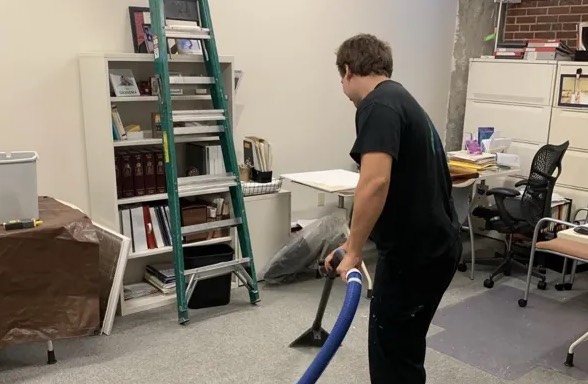
Comprehensive Water Damage Assessment in Bowie, Texas
In Bowie, water damage assessment helps prioritize actions to mitigate further harm and restore property functionality quickly. Local water removal experts focus on accurate detection and classification to streamline the entire recovery process effectively.
In Bowie, an inspection finds where water got in and how far it spread. The experts check for hidden water and mold risk in homes and businesses, also around Northlake.
Complete Water Damage Assessment Process for Bowie
Restoration Scope
The assessment report lays out what happens next, from removing water to final repairs.
Hidden Water Damage Inspection
Water does not stop at the surface. The experts use meters to check for dampness in framing and insulation, since finding it early is key to a lasting repair.
Mold Growth Risk Assessment
Mold can begin growing within 24-48 hours. A key part of Water Damage Assessment is evaluating this risk. The experts look for visible mold and assess conditions.
Moisture Mapping
The experts record moisture readings and take timestamped photos. This creates an objective account of the loss for documentation.
Water Leak Source Detection
Water travels far from its entry point. The experts map the moisture path through materials to locate hidden saturation in ceilings and walls.
When to Schedule Water Damage Assessment for Your Bowie Property
Cracked or Shifting Foundation
New cracks in a foundation or slab may be caused by water erosion, demanding a professional flood damage assessment.
Discolored Walls or Ceilings
Water stains or yellowish patches on walls and ceilings often indicate slow leaks or past flooding that need a professional water damage inspection.
Stained or Sagging Insulation
Discolored, damp, or drooping insulation in an attic or crawlspace is a red flag for ongoing water infiltration.
Spongy or Soft Drywall
Walls that feel soft to the touch indicate significant water saturation, a key finding in any home water damage evaluation.
How Water Damage Assessment Works in Bowie
Step 1: First Call and Situation Evaluation
For urgent cases, the experts check for immediate hazards first and see how far moisture has spread.
Step 2: Detailed Moisture Mapping and Documentation
Pros build a precise moisture map that supports your claim and guides all drying.
Step 3: Structural and Material Damage Inspection
Drywall, framing and flooring are checked to see what can be dried and what must be replaced.
Step 4: Final Report and Restoration Scope Delivery
You receive the final report with inspection data, photos and the restoration scope.
Frequent Sources of Property Water Damage in Bowie
Roof Leaks and Compromised Flashing
Damaged shingles, cracked flashing, or clogged gutters allow water to seep into attics and walls during rainstorms.
Faulty or Aging Building Envelopes
Deteriorated window seals, siding gaps, or degraded caulking allow wind-driven rain to infiltrate the structure over time.
Sprinkler System or Irrigation Leaks
Broken sprinkler heads or underground line leaks can saturate soil next to a foundation, promoting water intrusion and mold.
Severe Weather and Flooding
Heavy rain and flash floods can overwhelm drainage and push water into a building quickly.
Local Water Damage Assessment for All Bowie Property Types
Residential Water Damage Assessment
Residential assessments often involve checking attics for roof leak damage and bathrooms for failed grout or caulk. The pros develop a targeted drying strategy to protect the home's structure and air quality.
Commercial Water Damage Assessment
In offices and stores, the experts check walls and floors for damage and write a report that helps managers plan repairs with contractors and insurers.
Water Damage Assessment vs. DIY: When to Call Water Removal Experts
Removing excess water from hard surfaces with a mop or wet vacuum is a reasonable first step for a small, clean water incident. Do not attempt to pull up saturated carpet or padding yourself.
What Affects Your Water Damage Assessment Price in Bowie
In Bowie, cost depends on the time spent evaluating contents and mold risk, and how hard the leak is to reach.
Mold Inspection Necessity
A concurrent mold growth risk assessment after water damage adds another layer of analysis to the overall service.
Documentation for Insurance
A detailed report with photos and moisture readings for a claim takes extra time.
Property Size and Layout
Larger homes or complex commercial spaces in Bowie require more time for thorough moisture mapping and documentation, affecting the assessment duration.
Does Insurance Cover Water Damage Assessment?
For water damage assessment, coverage decisions belong to the insurer. The pros create detailed documentation of the leak source and structural impact for the homeowner's claim.
Why Choose Local Experts for Water Damage Assessment in Bowie
Focus on Source Detection
Identifying the exact water leak source is prioritized to prevent ongoing damage during the assessment phase.
Belongings Assessment
Personal contents and belongings are evaluated for water damage as part of the overall property assessment process.
Category and Class Analysis
Water is classified by category and evaporation class to determine the appropriate drying strategy and restoration response.
24/7 Emergency Water Damage Assessment in Bowie
After a leak or flood, an early inspection limits damage. Call (214) 983-0952 24/7 to have the source found and the damage recorded.
Call Now (214) 983-0952Bowie and Region Water Damage Assessment Availability
Each place listed below has its own page with local details.
- Water Damage Assessment in Northlake
- Water Damage Assessment in Decatur
- Water Damage Assessment in Krum
- Water Damage Assessment in Sanger
- Water Damage Assessment in Gainesville
- Water Damage Assessment in Justin
- Water Damage Assessment in Azle
- Water Damage Assessment in Argyle
- Emergency Damage Restoration in 76230
- Storm Damage Restoration in 76230
- Water Damage Restoration in 76230
- Water Extraction Service in 76230
- Water Leak Detection in 76230
- Water Removal Service in 76230
Water Damage Assessment Information and Answers
Why is moisture mapping important after a leak?
It records every affected area on a map, which guides drying and supports an insurance claim.
Is mold inspection after water damage always necessary?
While not always immediately visible, assessing mold risk is a prudent part of the process, as mold can begin growing within 24-48 hours in damp conditions.
What is a drying equipment plan development?
Based on moisture mapping, pros outline the specific types, number, and placement of air movers, dehumidifiers, and other equipment needed for effective drying.
What is the difference between water damage inspection and restoration?
Inspection is the diagnostic phase that assesses and documents the damage. Restoration is the physical work of drying, cleaning, and repairing based on that assessment.
When is an emergency water damage inspection needed?
An emergency inspection is critical for major leaks, flooding, or any water incident where rapid documentation and action are needed to prevent further damage.