Westlake, TX · Denton County
Bathroom Water Removal in Westlake, TXWet Bathroom Drywall Removal & Shower Leak Water Damage Repair
Get bathroom water removal in Westlake for shower leak water damage repair, bathroom mold prevention and bathroom drying services.
Answered 24/7
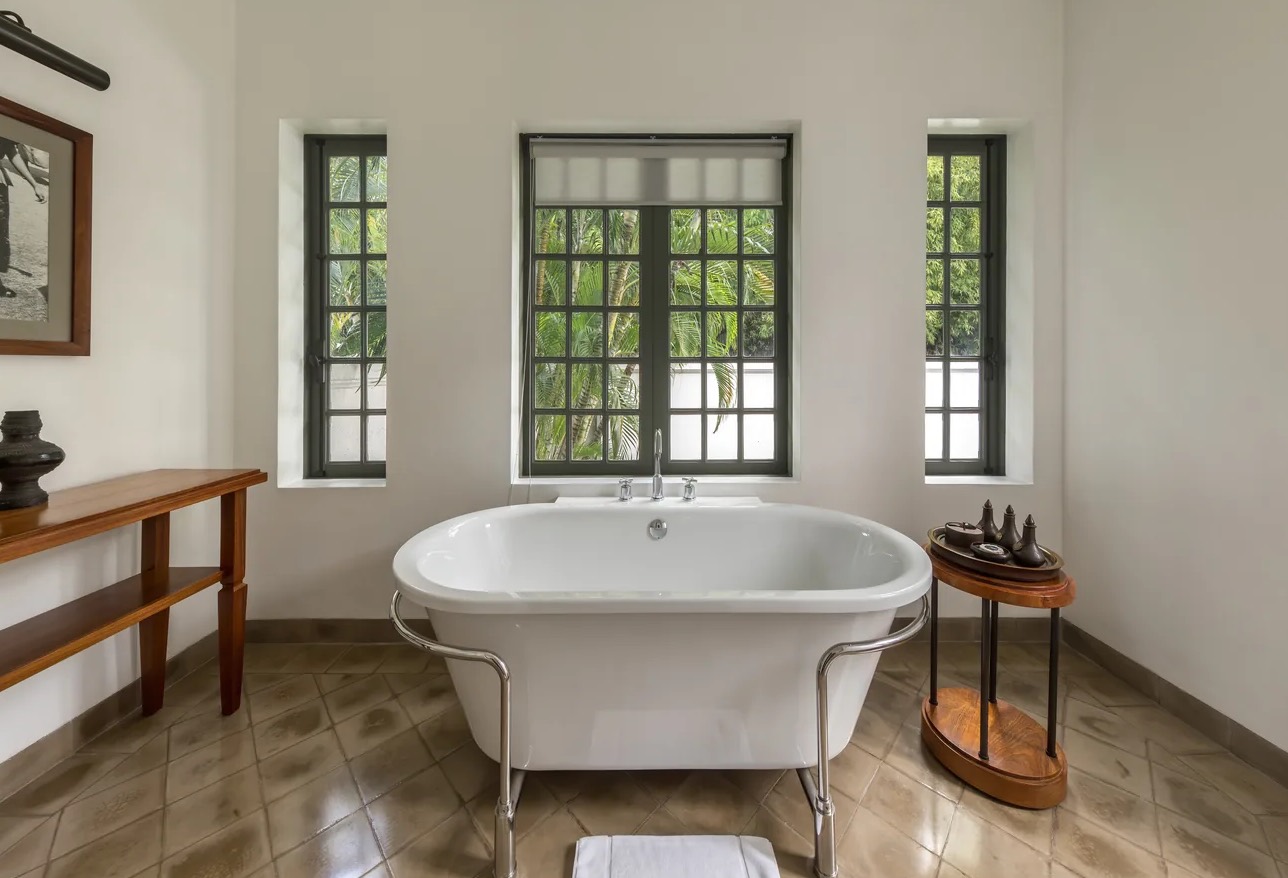
Bathroom Water Removal Solutions in Westlake, Texas
A soft spot in the floor next to the toilet is one of the most common bathroom problems in Westlake. It usually means a worn wax ring has let water seep into the subfloor for months.
In Westlake, many bathroom water calls start with a soft floor near the toilet or a stain on the ceiling below. Local bathroom restoration pros serve Westlake, Trophy Club, Roanoke and Keller, finding hidden water and drying it.
Comprehensive Bathroom Water Removal Services for Westlake
Wet Bathroom Drywall Removal
Drywall that wicked water behind a tub, toilet or vanity is cut back above the wet line, so the studs and insulation behind it can dry.
Shower Leak Water Damage Repair
Water from a leaking shower often shows up on the other side of the wall or on the ceiling below. Both areas are checked and dried.
Bathroom Drying Services
Equipment runs until the subfloor and walls reach normal readings, which usually takes several days.
Emergency Bathroom Water Extraction
Emergency extraction starts with shutting off the water, then pulling standing water from the floor and nearby rooms.
Bathroom Mold Prevention
After drying, an antimicrobial can be applied to studs and subfloor that were wet, before new drywall or flooring goes in.
Signs Your Bathroom Needs Water Removal in Westlake
Visible Mold or Mildew
Dark spots in grout, caulk or on the ceiling mean an area has stayed wet for some time.
High Humidity and Condensation
Walls and mirrors that stay wet long after a shower show moisture is not being removed.
Shower Pan or Drain Leak
Water appearing outside the shower, or stains on the ceiling below it, point to a pan or drain leak.
Damp Baseboards or Trim
Baseboards and trim that feel damp or swell near fixtures are soaking up water from the floor.
How Bathroom Water Removal Works in Westlake
Step 1: Emergency Water Extraction
The water is shut off and standing water is extracted from the bathroom floor and any rooms it reached.
Step 2: Moisture Inspection
Meters check under tile, behind the tub and vanity and on the ceiling below for hidden water.
Step 3: Controlled Drying and Dehumidification
Air movers and a dehumidifier dry the subfloor and walls, with readings logged every day.
Step 4: Damage Assessment and Documentation
Photos and readings record what was wet, what was removed and when the room was dry.
Common Causes of Bathroom Water Damage in Westlake
Water Heater Leak in Bathroom
A water heater located in or next to a bathroom can leak onto the floor.
Faulty Shower Pan or Drain
A cracked shower pan or leaking drain lets water into the subfloor every time the shower runs.
Failed Shower or Tub Sealant
Old or cracked caulk around tubs and showers lets water seep into the wall and floor.
Leaking Supply Lines or Valves
Supply lines and shut-off valves under sinks and behind toilets wear out and leak.
Bathroom Water Removal for All Properties in Westlake
Residential Bathroom Water Removal
Homeowners with a soft floor near the toilet should have it checked before replacing the toilet. The subfloor may need to be dried or replaced first.
Commercial Bathroom Water Removal
Commercial restrooms with several stalls can leak in more than one spot. Each one is found, and the floor and walls are dried and documented.
DIY Limitations for Bathroom Water Removal in Westlake
If water is dripping from the ceiling below a bathroom, turn off the water and the light circuit underneath. Then call local bathroom restoration pros to check and dry both floors.
Cost Considerations for Bathroom Water Removal in Westlake
Plumbing repairs and new tile or flooring are billed separately from water removal and drying. In Westlake, both are usually needed.
Water Damage Extent
A leak caught on the surface costs far less than one that soaked the subfloor and the room below.
Material Removal Needs
Cutting out drywall, tile or subfloor to reach wet areas adds labor and repair costs.
Moisture Inspection Depth
Checking the ceiling below and adjoining rooms adds inspection time but finds hidden damage.
Does Insurance Cover Bathroom Water Removal?
Insurers often ask how long a leak ran. Notes on the source and the condition of the subfloor help show whether it was sudden or gradual.
Why Choose Local Pros for Bathroom Water Removal in Westlake
Clear Damage Documentation
Photos, readings and drying logs are kept to support your insurance claim.
Targeted Drying Procedures
Drying equipment is aimed at subfloors and wall cavities, where bathroom water hides.
Containment Practices
Toilet overflow areas are contained and disinfected so contamination stays in the bathroom.
Emergency Bathroom Water Removal Available 24/7 in Westlake
The longer water sits under tile and around the toilet, the more subfloor rots. Call (214) 983-0952 for bathroom water removal in Westlake as soon as you see it.
Call Now (214) 983-0952Bathroom Water Removal Near Westlake: Areas Served
Help with bathroom water removal is also available in communities near Westlake, including Trophy Club, Roanoke and Keller, for overflows, shower leaks and burst supply lines.
Common Bathroom Water Removal Questions Answered
Can a toilet overflow cause hidden water damage?
Yes. Water seeps under the toilet base and into the subfloor, and can stain or soak the ceiling of the room below.
What happens during a bathroom moisture inspection?
Meters check the floor, walls and ceiling below, including spots under tile and behind fixtures that look dry.
How quickly should bathroom flood cleanup start?
Right away. Bathroom water reaches the subfloor and the ceiling below within hours, and those materials take days to dry.
What is bathroom mold prevention after water removal?
Drying wet materials quickly, fixing ventilation and treating framing that stayed wet with an antimicrobial after drying.
What is involved in bathroom water removal?
Stopping the source, extracting water from the floor and around fixtures, removing wet drywall or subfloor where needed and drying until readings are normal.