Cedar Hill, TX · Dallas County
Basement Water Removal in Cedar Hill, TXBasement Moisture Inspection & Emergency Basement Flooding
Basement Water Removal in Cedar Hill runs from basement water pump out and basement drying services to basement dehumidification.
Answered 24/7
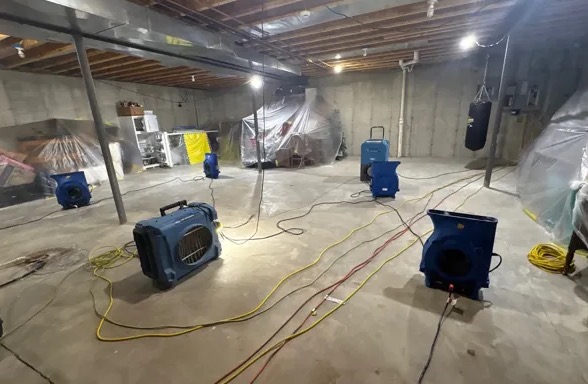
Expert Basement Water Removal in Cedar Hill, Duncanville, DeSoto and Glenn Heights
Basement Water Removal in Cedar Hill starts with safety. Water near the furnace, water heater or electrical panel can be dangerous, so power is made safe before anyone steps into it.
Basements are uncommon in Cedar Hill. The same extraction and drying steps apply to slab-level rooms, sunken dens and garages that take on water.
Homeowners in Cedar Hill can call (214) 983-0952 day or night when the basement is taking on water. Service also covers Duncanville, DeSoto and Glenn Heights, with the same pumping and drying steps.
Professional Basement Water Removal Offerings
Basement Moisture Inspection
Readings are recorded at each visit, giving you and your insurer a clear record of the drying.
Emergency Basement Flooding
A flooded basement threatens the furnace, water heater and anything stored on the floor. Fast pumping protects what can still be saved.
Basement Dehumidification
Dehumidifiers run continuously during drying, and their output is checked to track how much water is still coming out of the materials.
Basement Wall Drying
Basement walls are checked with moisture meters. Wet drywall is cut back above the water line, and insulation behind it is removed.
Basement Floor Water Damage
Flooring that buckled or swelled is removed. Tile and sealed concrete can often be cleaned and dried in place.
Common Symptoms Requiring Basement Water Removal
Standing Water in Basement
Standing water anywhere on the basement floor needs to be pumped out before it soaks the walls.
Efflorescence on Concrete Walls
White, powdery deposits on concrete walls mean water is passing through the masonry.
Wet or Damp Basement Walls
Basement walls that look dark, feel damp or show tide lines are taking on or holding water.
Musty Odors and Mold Smell
A musty or damp smell in the basement points to wet materials hidden somewhere in the space.
How Basement Water Removal Works in Cedar Hill
Step 1: Safety Assessment and Pump Out
Electrical hazards are checked, then deep water is pumped outside away from the foundation.
Step 2: Content Removal and Damage Documentation
Wet belongings are moved, and photos record the water level and damaged materials.
Step 3: Targeted Water Removal and Drying
Carpet is extracted, wet drywall is cut back and air is aimed at walls and the slab.
Step 4: Sanitization and Moisture Control
Surfaces touched by dirty water are disinfected, and dehumidifiers keep humidity low.
Why Basements Flood in Cedar Hill
Appliance Malfunctions and Overflows
Washers, utility sinks and water softeners in the basement can overflow or leak.
Heavy Rainfall and Storm Flooding
Heavy rain saturates the soil and pushes water through walls, cracks and the floor joint.
Window Well Leaks and Drainage
Window wells without drains or covers fill with rain and leak through the windows.
Clogged or Damaged Gutters
Clogged gutters and short downspouts dump roof water right next to the foundation.
Both Residential & Commercial Basement Water Removal
Residential Basement Water Removal
Finished basements used as bedrooms or family rooms need careful moisture checks behind walls and under flooring, since that is where water hides.
Commercial Basement Water Removal
Businesses with below-grade storage need wet inventory moved out and documented. Drying is planned around daily operations wherever possible.
Professional Basement Water Removal Versus Do-It-Yourself
Water that came up through a floor drain may be sewage. Avoid touching it, keep children and pets away and call local water extraction experts for cleanup with protective gear and disinfection.
Factors Affecting Basement Water Removal Cost
The pros look at water depth, water type and basement finishes before pricing basement water removal in Cedar Hill, then explain the scope.
Contamination Level
Sewage or dirty water needs protective gear, removal and disinfection, which costs more.
Access and Complexity
Narrow stairs, low ceilings and crowded storage areas make the work slower and longer.
Water Depth and Volume
Deeper water takes more pumping time and usually means more materials got wet.
Does Insurance Cover Basement Water Removal?
Photos, moisture readings and drying logs from local water extraction experts help support an insurance claim for basement water damage in Cedar Hill.
Why Cedar Hill Homeowners Trust Local Pros for Basement Water Removal
Detailed Damage Documentation
Photos, readings and drying logs are kept to support your insurance claim.
Moisture Inspection
Meters and thermal cameras find water in walls, floors and slab that looks dry.
Industry Drying Standards
Water removal and drying follow industry water damage standards, with readings at every visit.
24/7 Basement Water Removal When You Need It
If water is near outlets, the furnace or the electrical panel, stay out of it. Call (214) 983-0952 for help in Cedar Hill and wait for power to be made safe.
Call Now (214) 983-0952Local Basement Water Removal Coverage for Duncanville, DeSoto and Glenn Heights
Need basement water removal outside Cedar Hill? Service also covers Duncanville, DeSoto and Glenn Heights, including emergency help during storms.
- Basement Water Removal in Duncanville
- Basement Water Removal in DeSoto
- Basement Water Removal in Glenn Heights
- Basement Water Removal in Midlothian
- Basement Water Removal in Red Oak
- Basement Water Removal in Grand Prairie
- Basement Water Removal in Lancaster
- Basement Water Removal in Mansfield
- Emergency Damage Restoration in 75104
- Storm Damage Restoration in 75104
- Water Damage Restoration in 75104
- Water Extraction Service in 75104
- Water Leak Detection in 75104
- Water Removal Service in 75104
- Emergency Damage Restoration in 75106
- Storm Damage Restoration in 75106
Basement Water Removal FAQs
What is the difference between a pump out and extraction?
A pump out removes deep standing water. Extraction pulls the remaining water from carpet, pad and floors.
Does basement flood cleanup include mold prevention?
Fast drying is the main prevention. Wood and concrete that stayed wet can be treated with an antimicrobial once dry.
How is basement wall drying done?
Wet drywall is cut back, insulation removed and directed airflow and dehumidifiers dry the studs and masonry.
How is contaminated water handled in a basement?
With protective gear, containment, removal of porous materials and disinfection of hard surfaces before drying.
Why is fast water removal so important for basements?
Basements dry slowly, so every hour of standing water adds drying days and more materials to replace.