Lake Worth, TX · Tarrant County
Attic Water Removal in Lake Worth, TXAttic Drying Services & Roof Leak Water Removal
For a storm leak, Attic Water Removal in Lake Worth means emergency attic water extraction, roof leak water removal and attic moisture inspection.
Answered 24/7
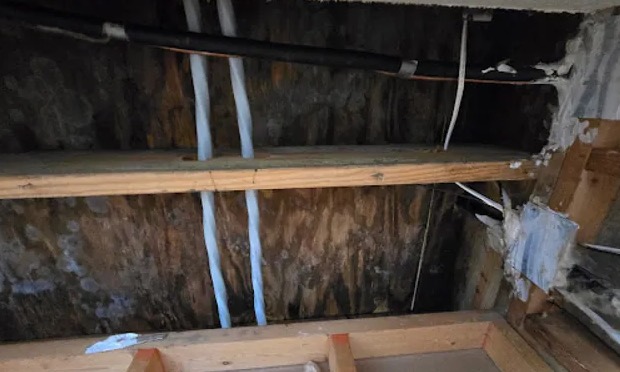
Attic Water Removal Services for Lake Worth Homes
In Lake Worth, the most common attic water sources are roof leaks, attic AC units and plumbing that runs through the attic. Each one needs to be stopped before drying can work.
In Lake Worth, Sansom Park, White Settlement and River Oaks, many attic leaks go unnoticed until the ceiling stains. The pros get the water and wet insulation out before the ceiling has to be replaced.
Specialized Attic Water Removal for Lake Worth
Attic Drying Services
Drying continues until rafters, decking and ceiling drywall reach normal moisture readings, which is often several days.
Roof Leak Water Removal
Rainwater from a roof leak is removed from the attic, and the wet path along the decking is followed back to where it entered.
Attic Moisture Inspection
Moisture meters and thermal cameras check rafters, decking, insulation and the ceiling below, even in spots that look dry.
Ceiling Water Damage Cleanup
After the ceiling cavity is dry, the opening is ready for new drywall, tape and paint.
Attic Mold Prevention
After drying, wood that was wet for more than a day or two can be treated with an antimicrobial to slow microbial growth.
When to Consider Attic Water Removal in Lake Worth
Puddles or Standing Water in Attic
Pooled water on the attic floor or on top of drywall needs removal right away.
Wet or Damp Attic Insulation
Insulation that feels damp, looks dark or has packed down in one area has absorbed water.
Sagging or Bubbling Ceiling Drywall
Ceiling drywall that sags, bulges or bubbles at the seams is holding water and may fall.
Increased Indoor Humidity Levels
Upstairs rooms that feel sticky or humid may have moisture coming down from the attic.
How Attic Water Removal Works in Lake Worth
Step 1: Source Control and Water Removal
The roof is tarped or the line shut off, and pooled water is removed from the attic floor.
Step 2: Wet Attic Cleanup and Debris Removal
Soaked insulation, wet debris and stored items are cleared so the wood and drywall can dry.
Step 3: Structural Drying and Dehumidification
Air movers and dehumidifiers are set on boards in the attic and run until readings drop.
Step 4: Final Attic Moisture Check
Decking, rafters and the ceiling below are tested to confirm they are dry before repairs.
Why Attics Develop Water Damage
HVAC System Leaks or Drain Pan Overflow
An attic air handler overflows when its condensate line clogs or the drain pan cracks.
Condensation From Poor Attic Ventilation
Moist air from the house condenses on roof decking when attic ventilation is poor.
Burst or Leaking Plumbing Pipes
Supply lines and drain pipes in the attic can crack or burst onto the ceiling.
Roof Leaks From Damaged Shingles
Cracked, missing or lifted shingles let rain reach the decking and drip into the attic.
Residential and Commercial Attic Water Removal in Lake Worth
Residential Attic Water Removal
Homeowners with stored items in the attic need those moved out first. Wet boxes are dried or discarded before the attic floor is cleaned and dried.
Commercial Attic Water Removal
Offices and stores need the space below protected while attic work is under way. Drying is planned around business hours where possible.
Attic Water Removal vs. DIY: When to Call the Pros
Catching drips with a bucket and moving furniture out of the way is a smart first step. Call local water extraction specialists if water is pooling in the attic, the ceiling is stained or sagging, or insulation is wet.
What Affects Attic Water Removal Cost in Lake Worth
The cost of attic water removal in Lake Worth depends on how far the water spread, how much insulation is wet and whether ceiling drywall below must be replaced.
Water Contamination Level
Clean rainwater is simpler to handle than water from a drain line or other dirty source.
Drying Time Required
Dense wood framing can take several days to dry, which adds equipment time.
Mold Prevention Measures
Antimicrobial treatment of wood that stayed wet is an added step, priced by area.
Does Insurance Cover Attic Water Removal?
Ceiling damage in the rooms below is usually part of the same attic claim. Make sure the adjuster sees both spaces.
Benefits of Local Pros for Attic Water Removal
Damage Documentation
Photos, readings and a list of removed materials are kept for insurance.
Mold Inhibitor Application
Wood that stayed wet can be treated with an antimicrobial after it is dried.
Industry Drying Standards
Drying follows industry water damage standards, with moisture readings taken at every visit.
Emergency Attic Water Removal Available Anytime
Ceiling sagging under the weight of water? Keep people out of the room below and call (214) 983-0952 now for attic water removal in Lake Worth.
Call Now (214) 983-0952Communities Served for Attic Water Removal
Nearby areas served for attic water removal include Sansom Park, White Settlement and River Oaks, with the same water removal and drying steps used in Lake Worth.
- Attic Water Removal in Sansom Park
- Attic Water Removal in White Settlement
- Attic Water Removal in River Oaks
- Attic Water Removal in Saginaw
- Attic Water Removal in Blue Mound
- Attic Water Removal in Azle
- Attic Water Removal in Keller
- Attic Water Removal in North Richland Hills
- Emergency Damage Restoration in 76135
- Storm Damage Restoration in 76135
- Water Damage Restoration in 76135
- Water Extraction Service in 76135
- Water Leak Detection in 76135
- Water Removal Service in 76135
Frequently Asked Questions About Attic Water Removal
How long does attic drying take?
Often several days, depending on how wet the wood is, the attic temperature and how much insulation was removed.
What equipment is used for attic water extraction?
Wet vacs, pumps, air movers, dehumidifiers, moisture meters and thermal cameras, plus vacuums for wet insulation.
What are attic dehumidification services?
Dehumidifiers placed in the attic pull moisture from the air and wood, speeding drying after a leak.
How do professionals dry an attic?
With air movers and dehumidifiers placed on boards across the joists, checking moisture readings daily until the wood is dry.
How can mold be prevented after attic water removal?
By drying wood quickly, fixing ventilation problems and treating framing that stayed wet with an antimicrobial.