Hickory Creek, TX · Denton County
Attic Water Removal in Hickory Creek, TXAttic Mold Prevention & Attic Leak Water Cleanup
Attic Water Removal in Hickory Creek covers attic leak water cleanup, roof leak water removal and wet attic insulation removal.
Answered 24/7
Local Attic Water Removal Solutions in Hickory Creek
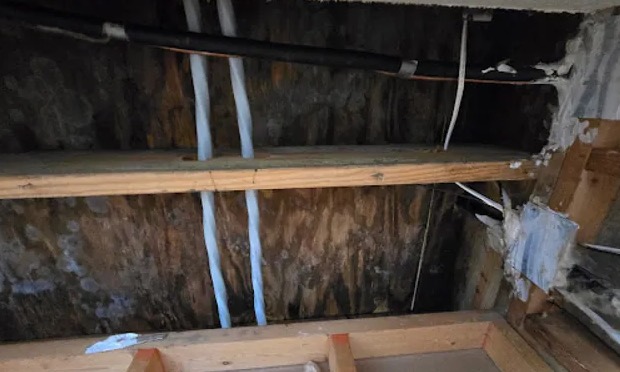
Attic leaks that run for a long time in Hickory Creek can rot roof decking and rust fasteners. Even after the roof is fixed, that wood stays wet unless it is dried.
Homeowners in Hickory Creek can call (214) 983-0952 day or night when water starts coming through the ceiling. Service also covers Lake Dallas, Highland Village and Corinth, with the same inspection and drying steps.
The Attic Water Removal Process in Hickory Creek
Attic Mold Prevention
Ventilation problems, such as blocked soffit vents or a bath fan venting into the attic, are pointed out so the attic does not stay damp.
Attic Leak Water Cleanup
Cleanup focuses on the low spots where water collects: the bays between joists, the area around the hatch and the space under an air handler.
Attic Moisture Inspection
Moisture meters and thermal cameras check rafters, decking, insulation and the ceiling below, even in spots that look dry.
Wet Attic Insulation Removal
Only the wet sections come out. The edges of the wet area are checked with a meter so dry insulation is not removed by mistake.
Emergency Attic Water Extraction
Water sitting on top of ceiling drywall adds weight fast. Removing it quickly can mean the difference between drying a ceiling and replacing it.
Symptoms Requiring Attic Water Removal in Hickory Creek
Wet or Damp Attic Insulation
Insulation that feels damp, looks dark or has packed down in one area has absorbed water.
Rotting Wood on Attic Beams
Soft, dark or crumbling wood on rafters and beams points to long-term moisture.
Peeling Paint on Ceilings or Walls
Paint that peels or blisters on upstairs ceilings and walls often has water behind it.
Puddles or Standing Water in Attic
Pooled water on the attic floor or on top of drywall needs removal right away.
How Attic Water Removal Works in Hickory Creek
Step 1: Containment and Safety Setup
Power to wet fixtures is shut off and plastic sheeting protects the room below.
Step 2: Roof Leak Water Removal and Cleanout
Rainwater is removed, a tarp is placed over roof damage, and wet debris is cleared.
Step 3: Moisture Evaporation and Attic Drying
Equipment runs on safe footing in the attic, with readings checked each day.
Step 4: Validation of Dry Conditions
Final readings are compared to dry areas to confirm the attic is ready for new insulation.
Leading Origins of Attic Water Damage
Clogged or Disconnected Gutters
Clogged or loose gutters let water back up under the roof edge and into the soffits.
Flashing Failures Around Roof Penetrations
Failed flashing around vents, chimneys and skylights lets rain run into the attic.
Appliance Malfunctions Like Water Heater Leaks
Water heaters located in the attic can leak or fail, flooding the attic floor.
Roof Leaks From Damaged Shingles
Cracked, missing or lifted shingles let rain reach the decking and drip into the attic.
Attic Water Removal for Homes and Businesses
Residential Attic Water Removal
In houses, attic water usually reaches a bedroom or hallway ceiling. Water and wet insulation are removed from above, and the ceiling below is dried or replaced.
Commercial Attic Water Removal
In commercial buildings, water above a drop ceiling soaks tiles and insulation over several rooms. Wet tiles are removed and the plenum space above is dried.
The Risks of DIY Attic Water Removal in Hickory Creek
Catching drips with a bucket and moving furniture out of the way is a smart first step. Call local attic drying specialists if water is pooling in the attic, the ceiling is stained or sagging, or insulation is wet.
Attic Water Removal Cost in Hickory Creek, TX
Roof or plumbing repair is billed separately from water removal and drying. In Hickory Creek, both are needed after most attic leaks.
Water Contamination Level
Clean rainwater is simpler to handle than water from a drain line or other dirty source.
Extent of Water Damage
A leak confined to one bay costs less than water spread across the attic and the rooms below.
Emergency Service Timing
Storm, night and holiday calls can cost more than a scheduled visit.
Does Insurance Cover Attic Water Removal?
Insurers often ask what caused the leak and how long it ran. Notes on the entry point and roof condition help answer those questions.
The Value of Local Attic Water Removal Experts
Advanced Moisture Detection
Moisture meters and thermal cameras find wet wood and insulation that look dry.
Dehumidification Equipment
Dehumidifiers sized for the attic remove moisture much faster than roof vents and open hatches alone.
Damage Documentation
Photos, readings and a list of removed materials are kept for insurance.
Round-the-Clock Attic Water Removal for Hickory Creek
Wet insulation keeps the ceiling soaking every hour it stays. Call (214) 983-0952 for attic water removal in Hickory Creek as soon as you see a stain or drip.
Call Now (214) 983-0952Communities Served for Attic Water Removal
Help with attic water removal reaches Lake Dallas, Highland Village and Corinth, plus other communities around Hickory Creek, for one-story and two-story homes alike.
Attic Water Removal FAQs
How long does attic drying take?
Often several days, depending on how wet the wood is, the attic temperature and how much insulation was removed.
What are attic dehumidification services?
Dehumidifiers placed in the attic pull moisture from the air and wood, speeding drying after a leak.
What happens during wet attic cleanup?
Water, wet insulation and debris are removed, stored items are moved out and the attic floor is cleaned before drying.
What equipment is used for attic water extraction?
Wet vacs, pumps, air movers, dehumidifiers, moisture meters and thermal cameras, plus vacuums for wet insulation.
What is an attic moisture inspection?
A check of rafters, decking, insulation and the ceiling below with moisture meters and thermal cameras to find all wet areas.