Bedford, TX · Tarrant County
Attic Water Removal in Bedford, TXWet Attic Insulation Removal & Attic Drying Services
Attic Water Removal in Bedford runs from roof leak water removal and wet attic insulation removal to ceiling water damage cleanup.
Answered 24/7
Expert Attic Water Removal for Bedford
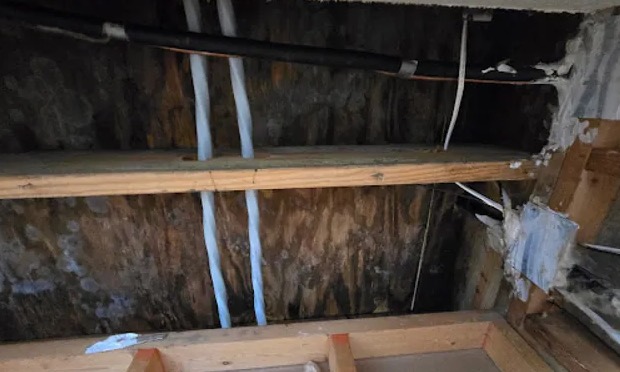
Attic leaks that run for a long time in Bedford can rot roof decking and rust fasteners. Even after the roof is fixed, that wood stays wet unless it is dried.
A heavy storm in Bedford can push water into an attic overnight. Local attic drying specialists serve Bedford and nearby Hurst, Colleyville and Euless, with help available around the clock.
Attic Water Removal Services in Bedford
Wet Attic Insulation Removal
Insulation that got soaked is removed from the wet bays and bagged. Leaving it in place keeps the ceiling drywall damp for weeks.
Attic Drying Services
Drying continues until rafters, decking and ceiling drywall reach normal moisture readings, which is often several days.
Ceiling Water Damage Cleanup
After the ceiling cavity is dry, the opening is ready for new drywall, tape and paint.
Attic Mold Prevention
After drying, wood that was wet for more than a day or two can be treated with an antimicrobial to slow microbial growth.
Emergency Attic Water Extraction
Water sitting on top of ceiling drywall adds weight fast. Removing it quickly can mean the difference between drying a ceiling and replacing it.
Warning Signs You Need Attic Water Removal
Increased Indoor Humidity Levels
Upstairs rooms that feel sticky or humid may have moisture coming down from the attic.
Water Stains on Ceiling
A brown ring or yellow patch on an upstairs ceiling usually means water is sitting on the drywall from the attic.
Musty Odors in Your Home
A musty smell upstairs or at the attic hatch often points to wet insulation or damp wood above.
Sagging or Bubbling Ceiling Drywall
Ceiling drywall that sags, bulges or bubbles at the seams is holding water and may fall.
How Attic Water Removal Works in Bedford
Step 1: Source Control and Water Removal
The roof is tarped or the line shut off, and pooled water is removed from the attic floor.
Step 2: Wet Attic Cleanup and Debris Removal
Soaked insulation, wet debris and stored items are cleared so the wood and drywall can dry.
Step 3: Structural Drying and Dehumidification
Air movers and dehumidifiers are set on boards in the attic and run until readings drop.
Step 4: Final Attic Moisture Check
Decking, rafters and the ceiling below are tested to confirm they are dry before repairs.
Typical Sources of Attic Water Damage
Condensation From Poor Attic Ventilation
Moist air from the house condenses on roof decking when attic ventilation is poor.
Clogged or Disconnected Gutters
Clogged or loose gutters let water back up under the roof edge and into the soffits.
Appliance Malfunctions Like Water Heater Leaks
Water heaters located in the attic can leak or fail, flooding the attic floor.
HVAC System Leaks or Drain Pan Overflow
An attic air handler overflows when its condensate line clogs or the drain pan cracks.
Attic Water Removal for Homes and Businesses
Residential Attic Water Removal
Homeowners with stored items in the attic need those moved out first. Wet boxes are dried or discarded before the attic floor is cleaned and dried.
Commercial Attic Water Removal
Offices and stores need the space below protected while attic work is under way. Drying is planned around business hours where possible.
The Risks of DIY Attic Water Removal in Bedford
If you can do it safely, look into the attic with a flashlight to find the wet area. Removing soaked insulation and drying the framing needs boards, protective gear and equipment.
Factors Influencing Attic Water Removal Cost
Tight attic access, blown-in insulation removal and storm-night calls all add to the total for attic water removal in Bedford.
Drying Time Required
Dense wood framing can take several days to dry, which adds equipment time.
Secondary Damage Repairs
Ceiling drywall replacement and paint in the room below add to the total.
Type of Insulation Affected
Blown-in insulation takes more time to remove than batts, and both add disposal costs.
Does Insurance Cover Attic Water Removal?
Photograph the attic, the ceiling and any roof damage before cleanup, and keep receipts for tarping and emergency water removal.
Why Choose Local Pros for Attic Water Removal in Bedford
Mold Inhibitor Application
Wood that stayed wet can be treated with an antimicrobial after it is dried.
Industry Drying Standards
Drying follows industry water damage standards, with moisture readings taken at every visit.
Advanced Moisture Detection
Moisture meters and thermal cameras find wet wood and insulation that look dry.
24/7 Emergency Attic Water Removal in Bedford
Water in an attic reaches the ceiling below fast. Call (214) 983-0952 for attic water removal in Bedford at any hour, including storms and holidays.
Call Now (214) 983-0952Attic Water Removal Near Bedford: Areas Served
Attic water removal and drying also cover homes and buildings in Hurst, Colleyville and Euless, close to Bedford, day or night.
- Attic Water Removal in Hurst
- Attic Water Removal in Colleyville
- Attic Water Removal in Euless
- Attic Water Removal in North Richland Hills
- Attic Water Removal in Richland Hills
- Attic Water Removal in Grapevine
- Attic Water Removal in Southlake
- Attic Water Removal in Keller
- Emergency Damage Restoration in 76021
- Storm Damage Restoration in 76021
- Water Damage Restoration in 76021
- Water Extraction Service in 76021
- Water Leak Detection in 76021
- Water Removal Service in 76021
- Emergency Damage Restoration in 76022
- Storm Damage Restoration in 76022
Frequently Asked Questions About Attic Water Removal
Can wet attic insulation be saved?
Lightly damp areas sometimes dry, but soaked or matted insulation is usually removed and replaced after the attic dries.
How can mold be prevented after attic water removal?
By drying wood quickly, fixing ventilation problems and treating framing that stayed wet with an antimicrobial.
What is involved in attic water removal?
Stopping the source, removing pooled water, bagging wet insulation, drying the framing and decking, and checking the ceiling below.
Can I remove attic water myself?
Only small amounts that are easy to reach safely. Pooled water and soaked insulation need safe footing and drying equipment.
What equipment is used for attic water extraction?
Wet vacs, pumps, air movers, dehumidifiers, moisture meters and thermal cameras, plus vacuums for wet insulation.