Highland Village, TX · Denton County
Attic Water Extraction in Highland Village, TXAttic Moisture Inspection & Attic Leak Water Cleanup
For a storm leak, Attic Water Extraction in Highland Village means wet attic insulation removal, attic leak water cleanup and attic drying services.
Answered 24/7
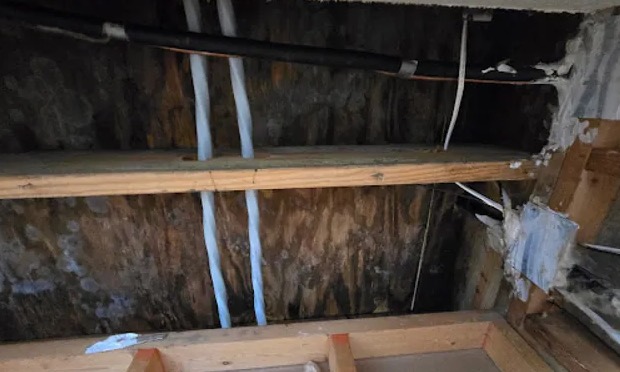
Professional Attic Water Extraction in Highland Village, TX
A slow attic leak in Highland Village can run for months without anyone noticing, rotting decking and staining rafters. A fast one can drop a ceiling in a day. Both need water removed and wood dried.
In Highland Village, Hickory Creek, Lake Dallas and Lewisville, attic leaks often go unnoticed until a ceiling stains. The pros get the water and wet insulation out before the ceiling has to be replaced.
Attic Water Extraction and Damage Mitigation in Highland Village
Attic Moisture Inspection
Readings taken at each visit show drying progress and give you a record for your insurer.
Attic Leak Water Cleanup
Wet nails, straps and vent flanges are wiped down, and soaked boxes or stored items are moved out of the attic.
Roof Leak Water Removal
A tarp can be placed over the damaged roof area to stop more water from coming in while extraction and drying continue.
Attic Mold Prevention
Drying the attic quickly is the main way to limit mold on wood. Treatment is added for areas that were wet for days.
Emergency Attic Water Extraction
When rain or a burst attic pipe floods the attic floor, water is vacuumed off the decking and drywall tops before it soaks through to the rooms below.
When to Call for Attic Water Extraction in Highland Village
Peeling Paint or Wallpaper
Paint that bubbles or peels on upstairs ceilings often has water behind it.
Water Stains on Ceiling
A brown or yellow stain on an upstairs ceiling usually means water is sitting on the drywall from the attic.
Rotting Wood in Attic
Soft or crumbling wood in the attic, especially around vents and valleys, points to long-term leaks.
Musty Odors From Attic
A musty smell from the attic hatch or upstairs rooms often points to wet insulation or wood.
How Attic Water Extraction Works in Highland Village
Step 1: Emergency Water Extraction
Active drips are caught and pooled water is vacuumed from the decking and drywall tops right away.
Step 2: Wet Insulation Removal
Soaked insulation is bagged and removed so air can reach the wood and the ceiling drywall below.
Step 3: Attic Drying Process
Air movers and dehumidifiers are set on boards across the joists and run until readings drop.
Step 4: Final Moisture Inspection
Readings on decking, rafters and the ceiling confirm the attic is dry before new insulation goes in.
What Leads to Attic Water Extraction Needs in Highland Village
Roof Leaks From Storm Damage
Wind and hail can lift or break shingles, letting rain reach the decking and the attic floor.
Aging or Deteriorated Roofing Materials
Old, curled or cracked shingles and worn underlayment let water through during heavy rain.
Attic Appliance Malfunction
Water heaters, humidifiers and other attic equipment can fail and leak with no warning.
Gutter and Downspout Blockages
Clogged gutters and downspouts let water back up under the roof edge.
Attic Water Extraction for Homes and Businesses in Highland Village
Residential Attic Water Extraction
At home, attic water usually ends up on a bedroom or hallway ceiling. Water is extracted from above, wet insulation removed and the ceiling below dried or replaced.
Commercial Attic Water Extraction
In commercial buildings, water above a drop ceiling soaks tiles and insulation across several rooms. Wet tiles come down and the space above them is extracted and dried.
Why DIY Attic Water Extraction Often Fails in Highland Village
Patching the roof stops new water, but the attic stays wet underneath. After any roof repair, have the insulation and decking checked for leftover moisture.
Understanding Attic Water Extraction Cost in Highland Village
Before quoting attic water extraction in Highland Village, the pros check the attic, the ceiling below and access to the space, then explain the work.
Emergency Service Timing
Night, weekend and storm calls can cost more than a scheduled visit.
Mold Prevention Steps
Antimicrobial treatment of wood that stayed wet is an added step, priced by area.
Access and Complexity
Low headroom, tight access hatches and narrow joists make the work slower.
Does Insurance Cover Attic Water Extraction?
Photos, moisture readings and drying logs from local attic water extraction pros help support an insurance claim for attic water damage in Highland Village.
Why Choose Local Pros for Attic Water Extraction in Highland Village
Roof Leak Location
The leak point is marked and photographed so the roofer can fix the right spot.
Mold Prevention Focus
Fast drying of attic wood is the main way to limit microbial growth after a leak.
Wet Insulation Handling
Wet insulation is bagged and removed without spreading debris into the living space.
Around-the-Clock Attic Water Extraction in Highland Village
Water in the attic soaks the ceiling below fast. Call (214) 983-0952 for attic water extraction in Highland Village at any hour, including storms and holidays.
Call Now (214) 983-0952Attic Water Extraction Near Highland Village: Areas Served
Besides Highland Village, local attic water extraction pros remove attic water, wet insulation and soaked ceilings in nearby Hickory Creek, Lake Dallas and Lewisville.
Common Attic Water Extraction Questions Answered
How quickly should I deal with water in my attic?
Right away. Water sitting on ceiling drywall can make it sag or fall within a day, and wet wood starts to break down.
Can I remove attic water myself?
Small drips onto plastic can be handled, but pooled water and soaked insulation need safe footing, equipment and drying.
What follows after the attic is dry?
New insulation can be installed, and ceiling drywall below is repaired, taped and painted.
What are signs of hidden attic water damage?
Ceiling stains, a musty smell upstairs, matted insulation, dark spots on decking and rusted nails.
Can wet attic insulation be saved?
Lightly damp areas sometimes dry, but soaked or matted insulation is usually removed and replaced after the attic is dry.