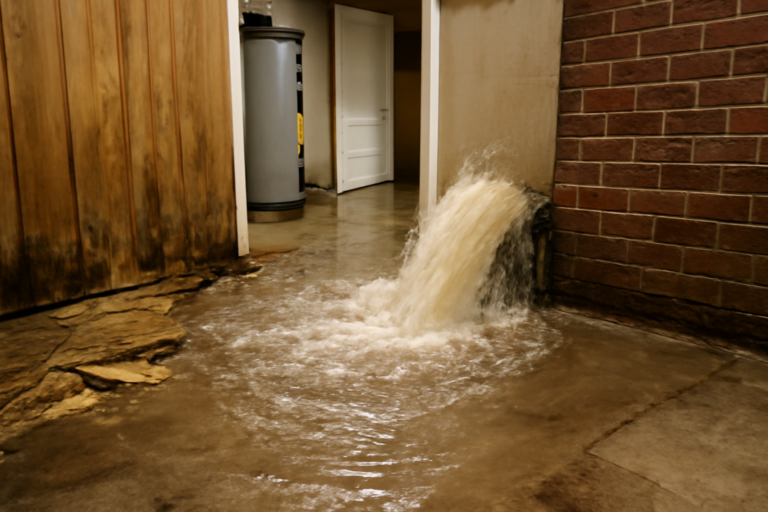
Trusted by 155+ Homeowners
AC Unit Water Removal in Highland Park, TX
- Over 156 5-Star Reviews
- Free Estimates and Quotes
- 100% Satisfaction Guaranteed
- Child, Family & Pet Safe Steps
- 24-Hour Emergency Service
- Fully Licensed & Insured

Summer Storms Bring Heavy Rains, and With Them, AC Unit Water Removal Headaches in Highland Park, TX
When thunderstorms roll in over Highland Park, TX, the area can expect heavy rainfall, strong winds, and potentially damaging hail. These conditions can cause your AC unit to leak, leading to water damage and costly repairs. You’re probably wondering what you can do to prevent this issue, and how to handle it if it does happen. Our team of experts is here to guide you through the process and provide you with the necessary information to make informed decisions.
We’ve helped over 165 homeowners in the area recover from AC unit water damage, and our customers rave about our prompt service and professional technicians. You can trust that our team will treat your property with care and attention to detail, ensuring that your AC unit water removal is done correctly and efficiently.
- Our AC unit water removal service is specifically designed to extract water from your AC unit and surrounding areas, preventing further damage and reducing the risk of mold growth.
- We use industrial-grade equipment to remove water quickly and safely, reducing disruption to your daily routine.
- Our team will work with you to create a customized plan to restore your property to its original state, including any necessary repairs or replacements.
The AC Unit Water Removal Process: A Step-by-Step Guide
When you call us for AC unit water removal, our team will follow a systematic process to ensure that your property is restored to its original state. This process involves several steps, each designed to address a specific aspect of the damage. By following this process, we can prevent further damage, reduce the risk of mold growth, and ensure that your AC unit is functioning properly.
Step 1: Inspection and Assessment
Our team will conduct a thorough inspection of your AC unit and surrounding areas to find out the extent of the damage. This involves checking for water leaks, assessing the condition of the unit, and identifying any potential hazards. Our technicians are trained to identify the root cause of the issue and recommend the best course of action.
Step 2: Water Extraction
Using industrial-grade equipment, our team will extract the water from your AC unit and surrounding areas. This process is crucial in preventing further damage and reducing the risk of mold growth. Our technicians will work efficiently to reduce disruption to your daily routine.
Step 3: Drying and Dehumidification
Once the water has been extracted, our team will use specialized equipment to dry and dehumidify the affected areas. This involves using high-velocity fans and dehumidifiers to remove excess moisture from the air and speed up the drying process.
Step 4: Repair and Replacement
After the drying process is complete, our team will inspect the AC unit and surrounding areas to identify any necessary repairs or replacements. This may involve fixing or replacing damaged parts, such as coils, fans, or electrical parts.
Step 5: Final Inspection and Cleanup
Once all repairs and replacements have been completed, our team will conduct a final inspection of the AC unit and surrounding areas to ensure that everything is functioning properly. We will also clean up any debris or materials that were removed during the process.
Don’t wait until it’s too late, call us today to schedule your AC unit water removal service. Our team is ready to help you recover from water damage and get back to your normal routine.
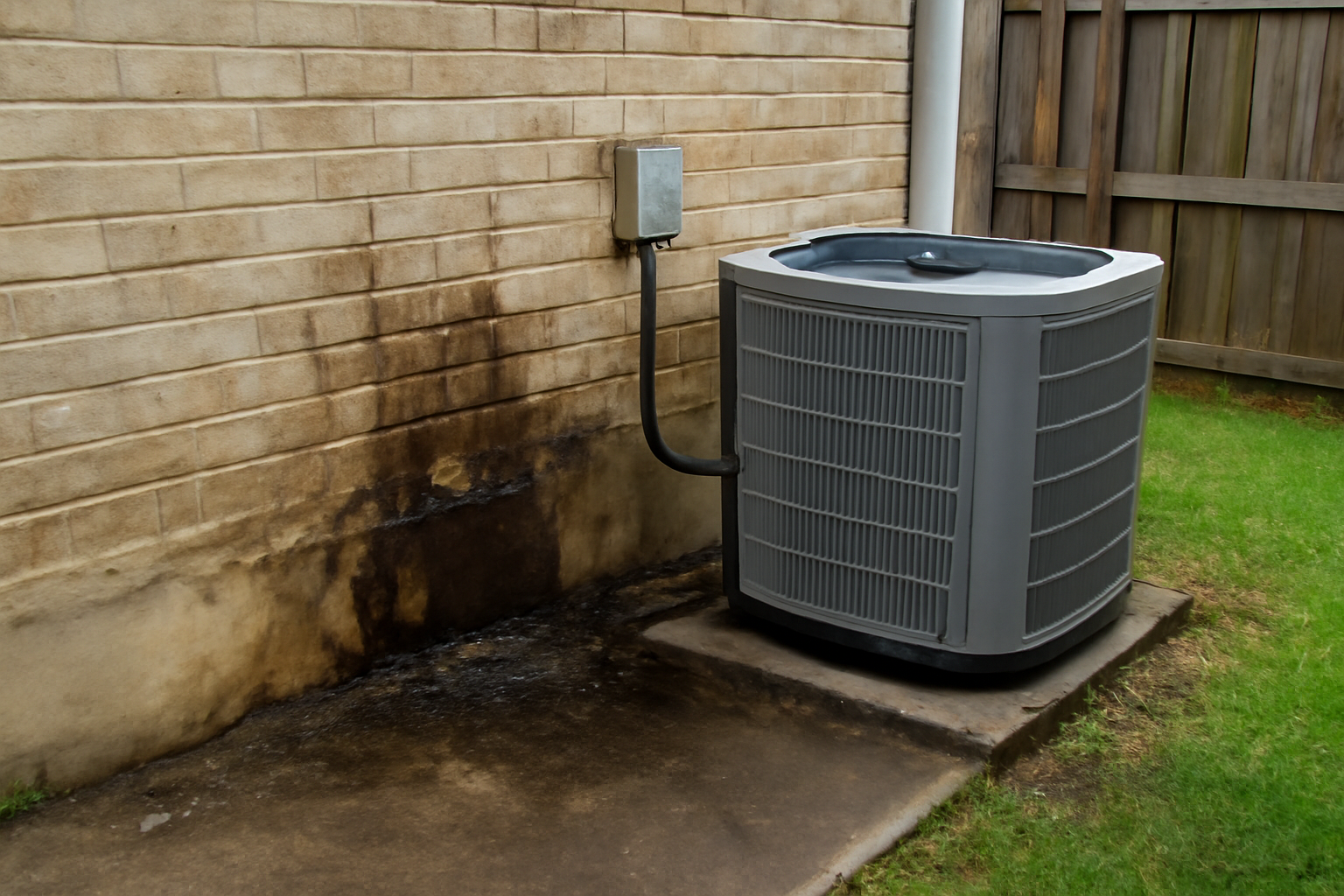
Warning Signs You Need AC Unit Water Removal
Catching the signs of AC unit water damage early can save you a lot of money and prevent bigger problems from developing. Here are some warning signs to look out for:
Musty Odors That Won’t Go Away
If you notice a persistent musty smell coming from your AC unit, it could be a sign of water damage. Don’t ignore this issue, as it can lead to mold growth and further damage.
Water Leaks or Stains
Check your AC unit and surrounding areas for water leaks or stains. If you notice any signs of water damage, contact us immediately to schedule a service call.
Increased Energy Bills
If your energy bills are increasing, it could be a sign that your AC unit is working harder than usual. This can be due to water damage, which can cause the unit to work inefficiently.
Unusual Noises or Vibrations
Listen for unusual noises or vibrations coming from your AC unit. If you notice anything out of the ordinary, it could be a sign of water damage or other issues.
Visible Signs of Damage
Check your AC unit and surrounding areas for visible signs of damage, such as water stains, rust, or corrosion. If you notice any of these signs, contact us immediately to schedule a service call.
Increased Humidity
Check your indoor humidity levels to ensure they are within a healthy range. If you notice increased humidity, it could be a sign of water damage or other issues.
Unusual Odors from Your Vents
Check your vents for unusual odors. If you notice anything out of the ordinary, it could be a sign of water damage or other issues.
AC Unit Water Removal vs. DIY: When To Call a Professional
| Situation | DIY? | Call a Pro? | Why |
|---|---|---|---|
| Minor water leak (less than 1 gallon) | Yes | No | You can likely handle a small water leak yourself, but it’s essential to monitor the situation closely to prevent further damage. |
| Major water leak (more than 1 gallon) | No | Yes | A large water leak needs professional attention to prevent further damage and ensure safety. |
| Water damage affecting multiple rooms | No | Yes | Water damage affecting multiple rooms needs professional attention to prevent further damage and ensure safety. |
| Water damage causing mold growth | No | Yes | Mold growth needs professional attention to prevent further damage and ensure safety. |
| Water damage affecting electrical parts | No | Yes | Water damage affecting electrical parts needs professional attention to prevent further damage and ensure safety. |
| Water damage causing structural issues | No | Yes | Water damage causing structural issues needs professional attention to prevent further damage and ensure safety. |
If you’re unsure about whether to handle the situation yourself or call a professional, it’s always best to err on the side of caution. Our team is here to help you make informed decisions and provide you with the necessary information to prevent further damage.
AC Unit Water Removal Cost In Highland Park, TX
The cost of AC unit water removal can vary depending on the severity of the damage, the size of the affected area, and local conditions in Highland Park, TX. Our team will provide you with a detailed estimate of the costs involved and help you create a customized plan to fit your budget.
| Service | Typical Price Range | What Affects Cost |
|---|---|---|
| Inspection and Assessment | $100 – $500 | The extent of the damage and the number of areas affected |
| Water Extraction | $200 – $1,000 | The amount of water extracted and the difficulty of the job |
| Drying and Dehumidification | $300 – $1,500 | The size of the affected area and the number of equipment required |
| Repair and Replacement | $500 – $2,500 | The extent of the damage and the number of parts replaced |
| Final Inspection and Cleanup | $100 – $500 | The complexity of the job and the number of areas affected |
Please note that these estimates are based on average costs and may vary depending on your specific situation. Our team will provide you with a detailed estimate of the costs involved and help you create a customized plan to fit your budget.
Service Areas Near Highland Park, TX
We serve the following areas: Addison, Allen, Carrollton, Coppell, Dallas, Farmers Branch, Flower Mound, Frisco, Garland, Highland Park, Irving, Lewisville, McKinney, Mesquite, Plano, Richardson, Rowlett, Sachse, and The Colony.
Common Questions About AC Unit Water Removal
Q: What causes AC unit water damage?
A: AC unit water damage can be caused by a variety of factors, including clogged drain lines, frozen coils, and malfunctioning condensate pans. Our team can help you identify the root cause of the issue and provide you with the necessary information to prevent further damage.
Q: How long does the AC unit water removal process take?
A: The length of time required for AC unit water removal can vary depending on the severity of the damage and the size of the affected area. Our team will work efficiently to reduce disruption to your daily routine and ensure that your property is restored to its original state.
Q: Is AC unit water removal covered by insurance?
A: In some cases, AC unit water damage may be covered by insurance. But, it’s essential to review your policy and consult with your insurance provider to find out the extent of coverage. Our team can help you navigate the claims process and ensure that you receive the compensation you deserve.
Q: Can I prevent AC unit water damage?
A: Yes, you can take steps to prevent AC unit water damage. Regular maintenance, such as cleaning the condensate pan and checking the drain line, can help prevent clogs and water damage. Our team can provide you with a customized maintenance plan to fit your needs and help you prevent further damage.
Check Our Other Relevant Services

Timothy Branch is a licensed Damage Restoration Expert with over 20 years of specialized experience in disaster recovery and structural mitigation. As a respected industry authority, Timothy has spent two decades mastering the technical science of property restoration, providing homeowners with the authoritative guidance and technical precision required to navigate high-stress recovery projects safely and efficiently.
𝗖𝗲𝗿𝘁𝗶𝗳𝗶𝗰𝗮𝘁𝗶𝗼𝗻𝘀: Timothy is master-certified by the IICRC in Water Damage Restoration (WRT), Applied Structural Drying (ASD), Mold Remediation (AMRT), Fire and Smoke Restoration (FSRT), and Odor Control (OCT).
𝗙𝗮𝘃𝗼𝗿𝗶𝘁𝗲 𝗣𝗮𝘀𝘁𝗶𝗺𝗲: An avid outdoorsman, Timothy enjoys landscape photography and woodworking, hobbies that reflect the focus, patience, and eye for detail he brings to his professional restoration work.
𝗕𝗲𝘀𝘁 𝗣𝗮𝗿𝘁 𝗼𝗳 𝘁𝗵𝗲 𝗷𝗼𝗯: He finds the most fulfillment in restoring a sense of normalcy for families, knowing his expertise has turned a site of devastation back into a safe, healthy home.